
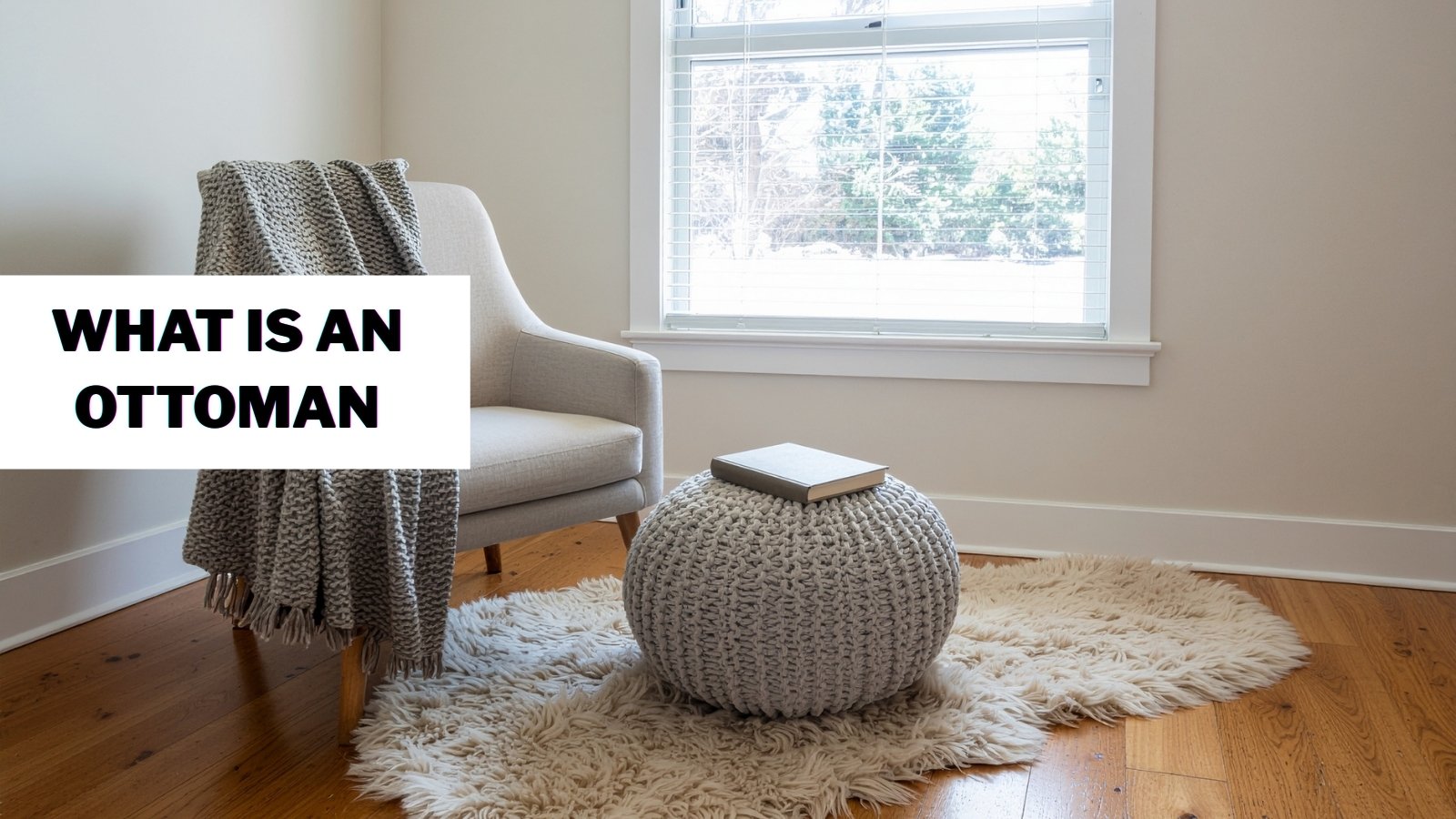
Many people struggle to make a living room feel complete. Seating looks fine at first, yet the space still feels awkward during daily use.
Feet need a place to rest, guests need flexible seating, and layouts need balance. Coffee tables often feel too hard or too fixed for real life.
You may feel unsure about adding another piece because space feels limited. An ottoman solves these problems quietly. It supports comfort, improves flow, and adds purpose without demanding attention.
You gain a surface, a seat, or a place to relax without clutter. You also keep your room flexible for work, guests, or quiet evenings.
This guide explains what an ottoman is, how it works, and how to choose one that fits your space and habits.

What an Ottoman Really Is?
An ottoman is a low upholstered furniture piece designed to support comfort and spatial flexibility. It usually features a padded top and a backless form.
The height typically aligns with sofas or lounge chairs, which allows natural leg support during seated activities.
This height relationship reduces strain on the lower body and improves sitting posture over time. The design emphasizes usability above decoration.
The structure remains simple, yet the function adapts easily across settings. You can integrate an ottoman without changing the existing layout of your room.
Core functional roles of an Ottoman include:
- Foot support during seating: An ottoman allows your legs to rest at a relaxed angle. This support improves circulation and reduces pressure on the knees and lower back during extended sitting.
- Additional seating when needed: The padded surface provides a stable and comfortable place to sit. This feature becomes useful during gatherings or informal conversations.
- Soft surface for daily use: An ottoman offers a forgiving surface for resting books, trays, or personal items. This surface feels more approachable than hard furniture.
The value of an ottoman comes from its ability to fit into daily routines without demanding attention. It supports how people naturally move and relax within a space.
Why Ottomans Exist in Modern Homes
Living spaces now support multiple activities throughout the day.
Rooms function as work areas in the morning, social spaces in the evening, and relaxation zones at night. Fixed furniture struggles to support this shift in use.
An ottoman introduces movement and adaptability. You can reposition it based on comfort needs rather than design rules. This freedom allows spaces to respond to real behavior.
Ottomans help rooms adjust without permanent changes. Their lightweight structure makes repositioning easy, which supports dynamic layouts.
Key reasons Ottomans remain essential today include:
- Adaptability to changing routines
An ottoman moves easily between seating zones. You can place it close during focused work or shift it aside during social gatherings. - Support without visual weight
Ottomans serve a functional purpose without visually dominating the room. This balance keeps spaces open and breathable. - Comfort without commitment
You gain additional support without installing permanent furniture. This quality suits renters and evolving households.
Designers use ottomans to soften layouts and improve flow. Homeowners rely on them to increase comfort without sacrificing space. You gain freedom without redesigning the room.
A Brief History of the Ottoman
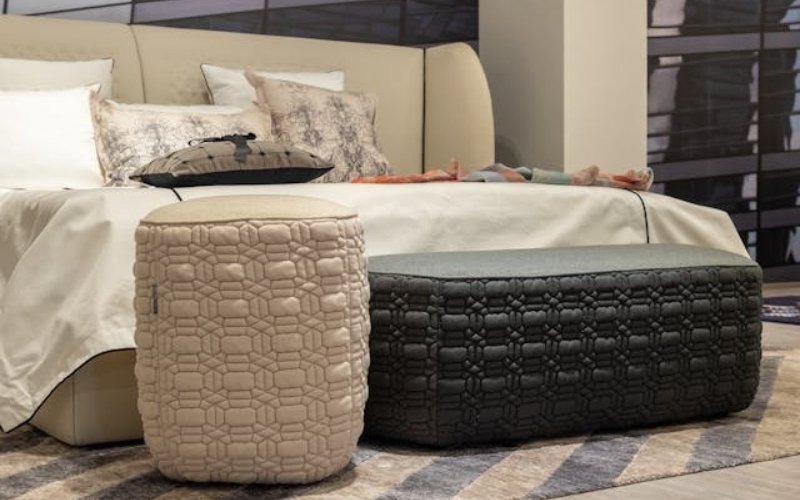
The Ottoman traces its roots to the seating traditions within the Ottoman Empire. People used low cushioned platforms for sitting, resting, and gathering.
These platforms encouraged relaxed postures and close conversation. Seating remained close to the ground, which created a sense of openness and ease.
As cultural exchange increased, European interiors adopted this concept.
The large platforms evolved into smaller upholstered pieces that fit structured rooms. Despite these changes, the focus on comfort remained constant.
As homes became more formal, ottomans adapted to match new expectations. Designers introduced defined frames, legs, and tailored upholstery.
These changes allowed Ottomans to be integrated into sofas and chairs rather than remain as floor seating.
The ottoman remains relevant because it continues to adapt to lifestyle shifts while preserving its original purpose: comfort and support.
How Ottomans Differ From Similar Furniture
This section clarifies common confusion during shopping. Many buyers hesitate because several furniture pieces appear similar at first glance.
The difference becomes clear when you compare daily use, comfort, and flexibility.
Ottoman Versus Coffee Table
A coffee table and an ottoman often occupy the same position in a room. Their purpose and performance differ in meaningful ways that affect comfort and practicality.
Functional differences that matter in everyday use include:
- A coffee table provides a hard and fixed surface. An ottoman offers a cushioned surface that feels comfortable during extended use. This softness changes how people interact with the space.
- An ottoman supports resting legs naturally. This support reduces strain during long sitting periods. A coffee table cannot offer this benefit.
- An ottoman allows occasional seating without discomfort. A coffee table does not support safe or comfortable sitting.
- A tray can convert an ottoman into a temporary surface for drinks or books. This conversion preserves flexibility without removing comfort.
An ottoman gives you multiple practical uses within the same footprint. A coffee table limits the space to a single function.
Ottoman Versus Pouf
Poufs and ottomans share visual similarities, which often causes confusion. Their internal structure and intended use create a clear separation.
Key differences that affect long-term use include:
- Ottomans usually contain a solid internal frame. This structure supports regular seating and leg support. Poufs rely on softer filling and compress over time.
- Many Ottomans align with sofa seat height. This alignment improves ergonomic comfort. Poufs often sit lower, which limits functional support.
- Poufs work best as occasional accent pieces. Ottomans handle daily interaction without losing shape or comfort.
Ottomans function as dependable furniture pieces. Poufs function as decorative or secondary elements.
Comparison Table: Ottoman vs Coffee Table vs Pouf
| Feature | Ottoman | Coffee Table | Pouf |
| Primary surface | Soft upholstered | Hard surface | Soft filled |
| Foot support | Yes | No | Limited |
| Seating use | Comfortable | Not suitable | Occasional |
| Height alignment with the sofa | Usually aligned | Often lower | Usually lower |
| Daily use durability | High | High | Moderate |
| Flexibility | Very high | Low | Moderate |
Types of Ottomans and Their Uses
Each type serves a specific role in a room. Knowing these differences helps you choose with confidence and avoid buying furniture that looks right but fails in daily use.
Standard Upholstered Ottoman
A standard upholstered ottoman focuses on everyday comfort. It typically sits in front of a sofa or lounge chair and supports natural leg positioning.
The padding distributes weight evenly, which reduces pressure during long sitting periods. This balance improves relaxation without altering the room layout.
This type blends easily into existing seating arrangements. Fabric and leather options allow it to match different interior styles.
The ottoman remains visually subtle while improving physical comfort throughout the day.
Key features include:
- Evenly padded top for leg support
- Height aligned with standard seating
- Upholstery options for style flexibility
Storage Ottoman
A storage ottoman combines comfort with concealed organization.
The internal compartment sits beneath the cushioned seat and provides space for items used daily. This design keeps essentials close without visible clutter.
This type works especially well in smaller homes where storage space feels limited.
It reduces the need for extra cabinets while preserving seating comfort. The room stays clean and functional without added furniture volume.
Key features include:
- Hidden internal storage compartment
- Dual use as seating and organization
- Space-efficient design for compact rooms
Cocktail Ottoman
A cocktail ottoman features a wider surface area that supports multiple uses.
It often replaces a traditional coffee table while maintaining a soft and inviting feel. The height allows easy access to trays, books, and shared items.
This type suits active living rooms where people often gather.
The cushioned top reduces sharp edges and creates a safer environment for families. It encourages relaxed interaction rather than formal seating behavior.
Key features include:
- Large surface area for shared use
- Height suitable for trays and books
- Soft top that improves room comfort
Modular Ottoman
A modular ottoman integrates directly with sectional or modular seating systems.
It connects securely or functions independently, depending on layout needs. This flexibility allows seating arrangements to evolve over time.
This type works well in reception areas, offices, and modern homes. It supports collaboration, waiting areas, and adaptable layouts.
The ottoman adjusts to space requirements without requiring furniture replacement.
Key features include:
- Compatibility with modular seating systems
- Ability to stand alone or connect
- High adaptability for changing layouts
Material Choices and What They Mean
Material affects durability, comfort, and maintenance.
Fabric Upholstery
Fabric ottomans feel warm and casual. They suit homes with relaxed atmospheres. Stain-resistant fabrics work well for families. Texture adds depth to the room.
Leather Upholstery
Leather ottomans feel refined and durable. They clean easily. Offices and modern homes prefer this option. The surface ages gracefully with care.
Frame and Padding Quality
A strong internal frame ensures long life. Dense foam maintains shape over time. Quality construction prevents sagging. You feel the difference during daily use.
Common Buying Mistakes to Avoid
Avoiding common mistakes saves money and prevents long-term dissatisfaction. Most issues arise when buyers focus on appearance instead of daily use.
Ignoring Daily Use Patterns
Furniture should support how you actually live and move. An ottoman must align with your routines to remain useful over time.
- Observe how often you sit with your legs elevated
- Consider how frequently the ottoman will be moved
- Think about guest use and extra seating needs
- Account for children or pets in the household
- Evaluate how the Ottoman fits into the walkways
- Check whether storage access will be used regularly
- Match the ottoman height to your primary seating
- Avoid oversized designs that limit movement
Choosing Style Over Comfort
Comfort determines satisfaction long after visual appeal fades. An ottoman that looks good but feels wrong will quickly lose value.
- Test firmness to ensure proper leg support
- Sit on the ottoman to check stability
- Confirm height alignment with sofas or chairs
- Avoid overly soft padding that loses shape
- Choose upholstery that feels pleasant against the skin
- Check edge comfort for seating use
- Prioritize construction quality over decorative details
- Select designs that support long-term daily use
How Modular Ottomans Fit Modern Spaces
Modular designs respond directly to how modern spaces function throughout the day.
Homes and workplaces no longer rely on fixed layouts, which makes adaptable furniture essential rather than optional.
Modular ottomans move easily, connect seamlessly, and support constant layout changes without disrupting comfort or visual balance.
This flexibility allows spaces to shift between waiting, collaboration, and relaxation without adding extra furniture.
Offices benefit from improved flow, while homes gain seating freedom that adjusts to daily routines. Modular ottomans support change instead of resisting it.
Meet&Co Modular Reception Sofa
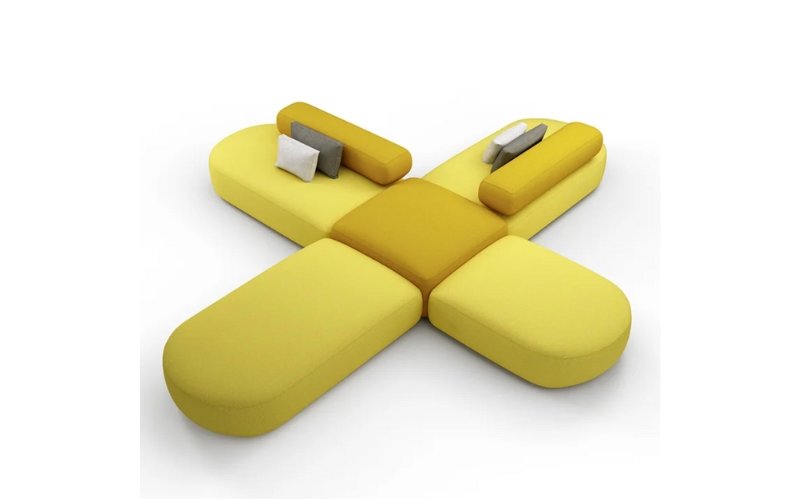
The Meet and Co Teddy modular reception sofa system demonstrates how modular ottomans function in real commercial environments.
Designed by Meet&Co Furniture, this system integrates ottoman modules directly into reception and waiting layouts.
Each ottoman aligns with the sofa height, which ensures consistent comfort and visual continuity across the seating arrangement.
The design focuses on soft geometry, durable upholstery, and a practical scale suited for high-traffic areas.
These ottomans support waiting comfort while maintaining a professional appearance. You achieve a welcoming reception space without sacrificing structure, durability, or layout control.
Key Features of the Meet and Co Teddy Modular Ottoman
- High-density sponge cushioning that maintains shape during daily use
- Upholstery options available in fabric or leather finishes
- Solid wooden internal frame for long-term structural stability
- Modular pin leg design that supports secure placement
- Flexible configuration that connects or separates with ease
How to Choose the Right Ottoman
You should choose an ottoman based on how you plan to use it every day. The right choice improves comfort, supports movement, and fits naturally into your space.
Purpose: Start by defining the primary use. Use a properly sized ottoman for foot support to maintain a comfortable sitting posture.
Choose a firm and stable design if you need extra seating. Select a storage ottoman when you want to reduce visible clutter. Pick a flatter top if you plan to place trays or books on it.
Room Size: Match the ottoman size to the room layout. Small rooms need compact designs that preserve walking space.
Medium rooms support standard upholstered ottomans without crowding. Large rooms benefit from cocktail or modular ottomans that visually anchor the seating area.
Height and Proportion: Align the ottoman height with your sofa seat height. Proper alignment supports legs naturally and prevents strain.
Oversized ottomans overwhelm the layout, while undersized ones reduce comfort.
Material and Upholstery: Choose upholstery based on usage. Fabric works well in casual living spaces.
Leather performs better in high-traffic or professional settings. Durable materials extend lifespan and maintain appearance.
Comfort Level: Test cushioning before deciding. Firm padding maintains support during long sitting periods. Soft padding compresses quickly and loses structure over time.
Storage Needs: Select a storage ottoman if your space lacks cabinets. Hidden compartments keep everyday items accessible without adding visual clutter.
Flexibility: Choose modular ottomans for spaces that change layout often. Fixed ottomans work best in rooms with consistent seating arrangements.
Maintenance: Pick materials that simplify cleaning. Easy-care upholstery reduces upkeep and keeps the ottoman looking presentable with daily use.
When you focus on function and daily habits, you choose an ottoman that delivers comfort, efficiency, and long-term value.
FAQs
1: What height should an ottoman be for comfort
Ideally, an ottoman should match the sofa seat height to support legs, comfortably maintain posture, and avoid strain during long sitting sessions at home or work environments, and shared spaces.
2: Are storage ottomans practical for small spaces
Storage ottomans work best in small homes because they reduce clutter, provide seating, and keep everyday items accessible without adding cabinets, shelves, or extra furniture pieces in busy living areas.
3: Which Ottoman material works best for offices
Leather ottomans suit offices and high-traffic spaces since they clean easily, resist wear, and maintain a professional appearance with regular care and proper placement over long-term daily use.
4: Do modular ottomans really improve layout flexibility
Yes, modular ottomans allow flexible layouts by connecting or separating easily, which helps adapt seating arrangements for meetings, guests, or changing room functions in modern homes, offices, clinics lounges spaces.
Final Thoughts
Ottomans offer more than visual appeal. They bring comfort, flexibility, and balance into living rooms, offices, and reception areas.
From standard upholstered designs to storage, cocktail, and modular options, each type supports a different need and space function.
The key lies in understanding how you use your space. Purpose, size, comfort level, material, and flexibility should guide every decision.
When you choose based on real habits instead of appearance alone, the ottoman becomes a valuable part of daily life rather than a decorative extra.
If you want an ottoman that combines thoughtful design with lasting comfort, explore modular seating solutions from Meet and Co.
Discover options that adapt to modern spaces while maintaining a professional and welcoming look.
Ready to elevate your space with smart, comfortable seating? Contact Meet and Co today to find an ottoman solution that works for you now and for years to come.


