
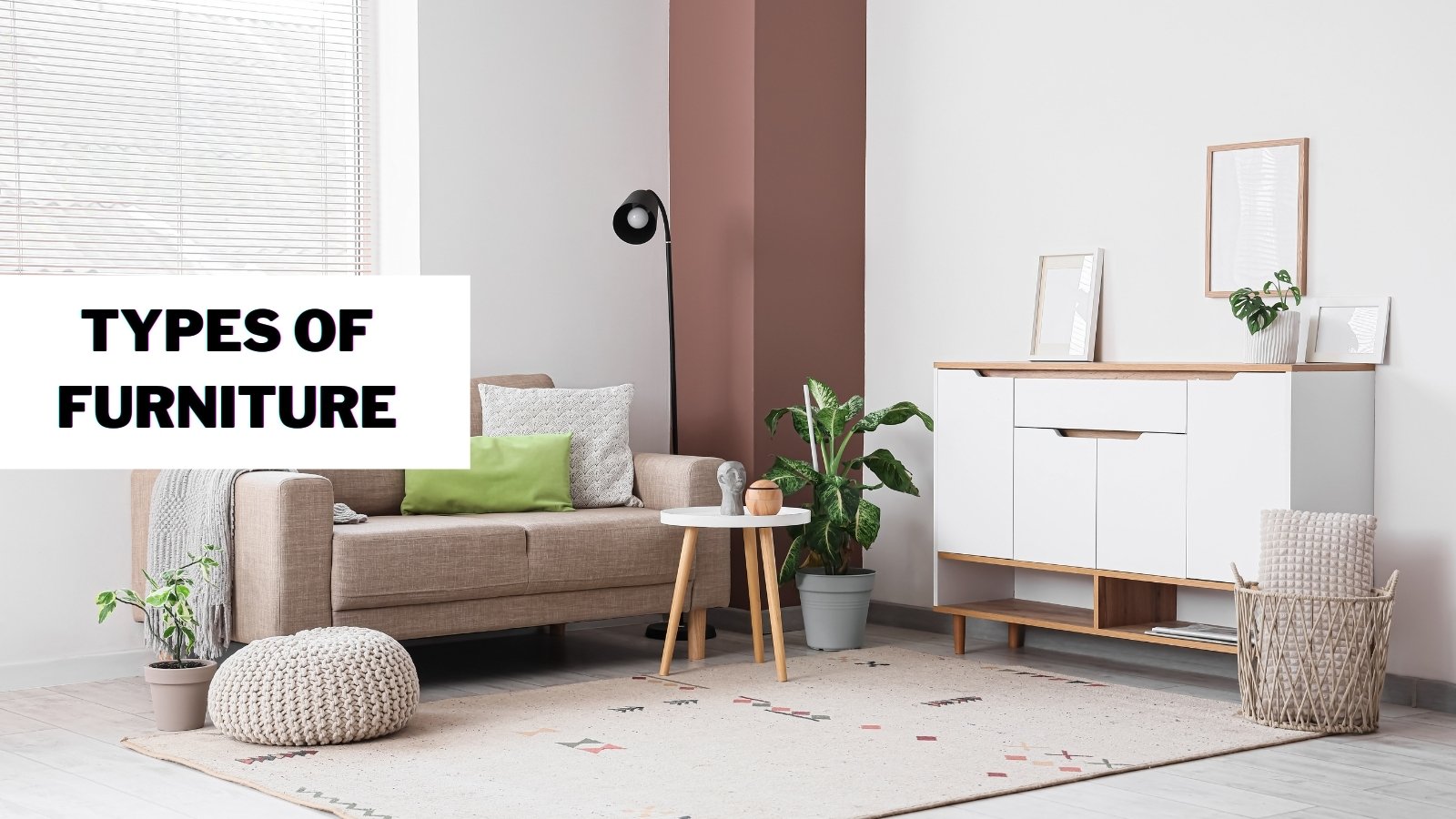
Furniture plays a direct role in how a space performs. The right choices create comfort and efficiency, while the wrong ones lead to wasted space and daily inconvenience.
Many people focus on appearance without considering how each piece affects movement and use.
Effective furniture planning begins with a goal. The seating components enable relaxation, the storage components enable order, and the working surfaces and daily activities.
When these elements work together, the room feels balanced and practical.
This guide will explain the different types of furniture and offer guidance on choosing pieces that fit your plan, function in your daily life, and create the impression of a well-organized, purposeful environment.
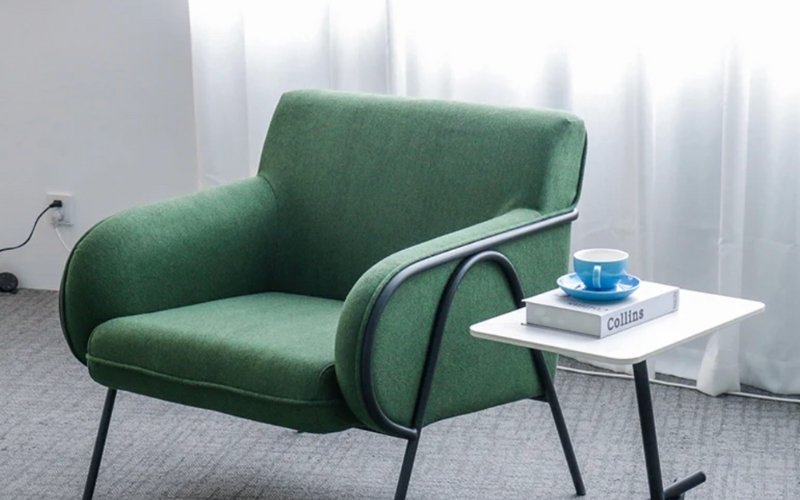
What Furniture Really Does in a Space?
Furniture shapes how a space works in real life, not how it looks in photos. It guides movement, supports posture, and influences how people interact and stay focused during the day.
In offices, well-chosen furniture reduces fatigue, improves comfort, and supports uninterrupted workflow. In schools and training spaces, proper furniture supports attention, safety, and long-term use.
When furniture ignores real needs, even a beautiful space feels awkward and inefficient. Layout problems slow people down.
Poor seating drains energy. Tight spacing creates tension instead of ease. Every piece sends a signal about how a space should function.
When you place furniture with purpose, the room starts to support the people inside it. Work feels easier. Learning lasts longer. The space becomes practical, comfortable, and balanced.
- Furniture supports daily tasks and physical comfort.
- Furniture guides movement and space flow
- Furniture affects focus, productivity, and behavior.
- Furniture influences how people perceive a space.
- Furniture impacts long-term maintenance and cost decisions
Types of Furniture Based on Use
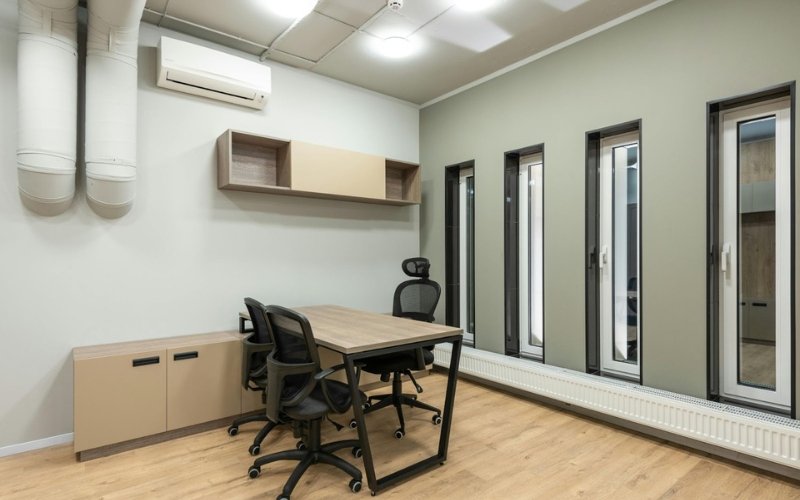
The furniture must be selected depending on the actual use of a space.
When spaces are organized, comfortable, and efficient, it is because furniture has been aligned with the daily activities.
This will prevent unnecessary vacant spaces, bad designs, and frequent changes.
- Office Furniture
During the working day, office furniture helps in focused work, teamwork, storage, and even movement. All categories play a role in improving productivity and comfort.
A mismatch between office furniture and actual work requirements causes uneasiness, clutter, and inefficiency among teams.
Office Desks
The basis of every workspace is office desks. They accommodate equipment, handle cables, and affect posture over long working hours. The right desk enhances concentration and reduces long-term physical stress.
Meet&Co Furniture offers modern office desks and electric adjustable desks designed for long-term commercial use.
These desks support both individual focus and collaborative work across open offices, executive rooms, and meeting spaces.
Common office desk uses include
- Daily task-focused workstations
- Collaborative team seating layouts
- Meeting and conference environments
- Front desk and reception areas
Office Chairs
Office chairs directly affect comfort, posture, and productivity. Poor seating leads to fatigue, discomfort, and long-term health concerns.
Mesh chairs improve airflow during long work hours. Ergonomic chairs support the spine and reduce strain.
Executive chairs add comfort and authority to private offices. Auditorium chairs are used in large meeting and conference spaces. Bar chairs suit informal work zones and hospitality areas.
Meet&Co Furniture designs office chairs with proper ergonomic support and durable materials suitable for daily professional use.
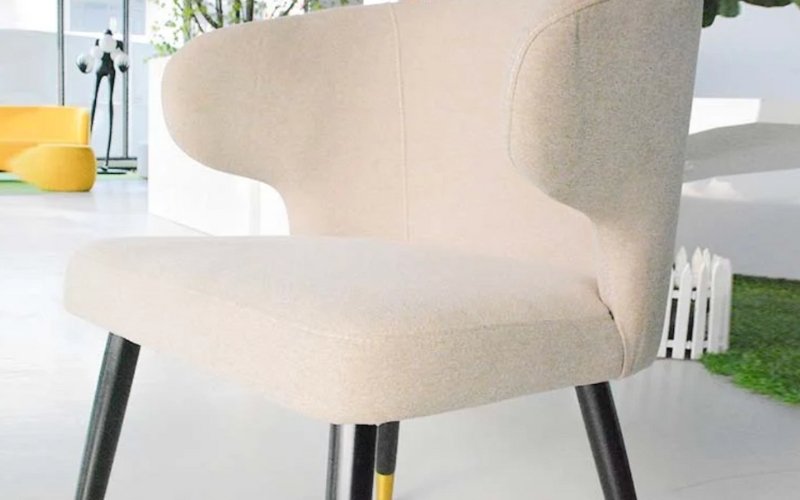
Key benefits of choosing the right office chairs
- Better posture and reduced fatigue
- Improved focus and work performance
- Long-lasting comfort for extended use
Office Storage Furniture
Storage furniture keeps offices organized and functional. Without proper storage, even well-designed offices feel cluttered and inefficient.
Filing cabinets protect important documents and improve workflow. Steel filing cabinets suit high-traffic offices where durability and security matter.
Wooden filing cabinets work well in executive spaces where appearance is important. Mobile storage units support flexible layouts and quick access.
Office storage furniture helps.
- Reduce visual clutter
- Improve document organization
- Support a cleaner and more efficient workspace
- Bedroom Furniture
Bedroom furniture supports rest, storage, and personal comfort. These pieces help create a calm and organized environment that improves sleep quality and daily routines.
Types of Bedroom Furniture
- Beds and Bed Frames: Beds form the focal point of the bedroom and directly affect sleep quality. Bed frames provide structural support and influence room layout. Platform beds offer a modern, low-profile look, while elevated frames allow airflow and easier cleaning.
- Wardrobes and Closets: Wardrobes and closets efficiently organize clothing and personal items. Sliding door wardrobes work well in compact bedrooms because they save floor space.
- Bedside Tables: Provide convenient access to essential items such as lamps, books, and personal belongings. Proper height ensures comfort and ease of use when resting.
- Dressers and Chests: Provide extra storage for folded clothing and accessories. Wide dressers work well in shared bedrooms, while tall chests suit narrow spaces by using vertical storage.
- Living Room Furniture
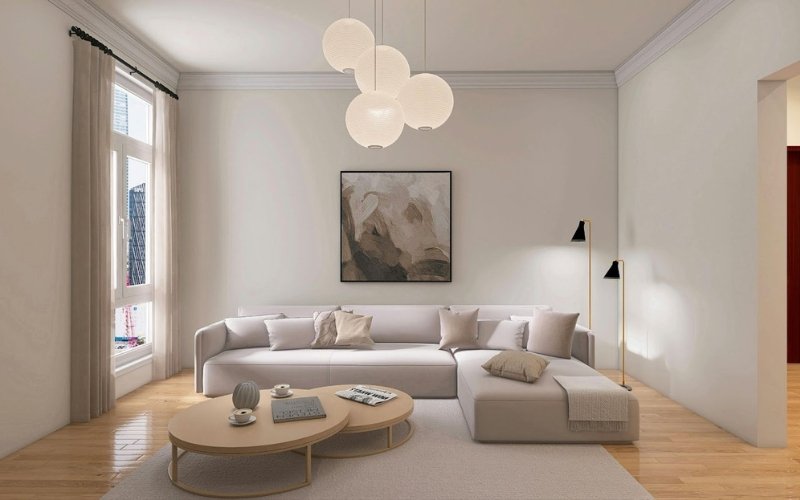
Living room furniture supports relaxation, social interaction, and everyday comfort. These pieces shape how people gather, move, and spend time together in shared spaces.
Types of Living Room Furniture
- Sofas and Seating Chairs: Sofas provide primary seating and define the living room’s overall layout. Their size should align with room dimensions and seating needs. Sectional sofas suit larger spaces and support group seating, while individual chairs add flexibility and balance.
- Coffee Tables: Coffee tables support daily activities such as placing drinks, books, and decorative items. Their height and surface area should align with the surrounding seating for ease of use. Materials and shapes influence durability and visual balance within the room.
- TV Units and Media Storage: TV units organize media equipment and manage cable clutter. They provide storage for electronics, accessories, and décor. Closed cabinets keep the area tidy, while open shelving improves accessibility.
- Side Tables: Side tables add functional surface space next to sofas and chairs. They support lamps, décor, and everyday items without disrupting movement. When sized correctly, side tables enhance convenience while maintaining a clean layout.
- Dining Room Furniture
Dining room furniture supports shared meals, conversations, and social gatherings. These pieces must balance comfort, durability, and efficient use of space.
Types of Dining Room Furniture
- Dining Tables: Dining tables anchor the dining area and define seating arrangements. Table size should match the number of users and available space. Rectangular tables suit larger rooms, while round tables improve circulation in compact areas.
- Dining Chairs: Support posture and comfort during meals. Proper seat height and back support improve the dining experience, especially during longer gatherings. Material choice affects durability, maintenance, and visual appeal.
- Sideboards and Storage Cabinets: Sideboards store tableware, linens, and serving items. They reduce clutter on dining tables and improve organization. Placement should allow easy access while maintaining clear movement paths.
- Storage and Utility Furniture
Storage furniture supports organization across all living spaces. These pieces help maintain order and improve daily efficiency.
Types of Storage and Utility Furniture
- Cabinets and Cupboards: Cabinets store household items such as dishes, supplies, and personal belongings. Proper sizing ensures easy access and prevents overcrowding. Closed designs reduce visual clutter and maintain a clean appearance.
- Shelving Units: Organize books, décor, and frequently used items. Open shelving improves visibility and access, while closed shelves support a tidier look. Correct spacing ensures shelves remain practical and balanced.
- Shoe Racks: Keep entryways clean and organized. They prevent clutter and protect footwear from damage. Compact designs suit smaller spaces, while larger units support family use.
- Utility Storage Units: Utility storage units support multipurpose needs such as cleaning supplies and household tools. These units improve accessibility while keeping items neatly stored and out of sight.
- Outdoor and Balcony Furniture
Outdoor furniture supports relaxation and social use in open-air environments. These pieces must withstand weather exposure while remaining stable and comfortable.
Types of Outdoor and Balcony Furniture
- Outdoor Chairs: Provide seating for relaxation and gatherings. Durable materials resist sunlight and moisture. Proper design improves comfort during extended outdoor use.
- Patio Tables: Support dining and casual activities outdoors. Their size should match the seating capacity and available space. Stable construction prevents tipping on uneven surfaces.
- Balcony Seating Sets: Balcony seating sets maximize comfort in compact outdoor areas. Lightweight materials and compact proportions improve flexibility and ease of movement. These sets help turn small balconies into functional living spaces.
- Commercial Furniture Solutions
Commercial furniture supports daily operations in offices, schools, and institutions. These pieces handle high-traffic use where durability and function matter most.
- Office desks include workstations, executive desks, and collaborative setups designed for long-term use. These desks handle equipment weight, cable management, and ergonomic positioning across open offices and private spaces.
- Reception desks create professional first impressions. They combine a functional workspace with a welcoming design. Proper reception furniture enhances the visitor experience and improves staff efficiency.
- Office steel filing cabinets offer secure document storage with superior durability. Metal construction resists daily wear in busy offices. These cabinets protect sensitive files while maintaining organized workflows.
Commercial furniture investments reduce replacement costs and support productivity. Well-built solutions handle real-world commercial demands without frequent repairs or replacements.
Types of Furniture Based on Material
Material choice affects durability, maintenance, and appearance.
- Metal Furniture
Metal furniture offers strength and longevity. Steel frames support heavy use in offices, schools, and industrial spaces. Metal furniture resists wear and handles frequent movement.
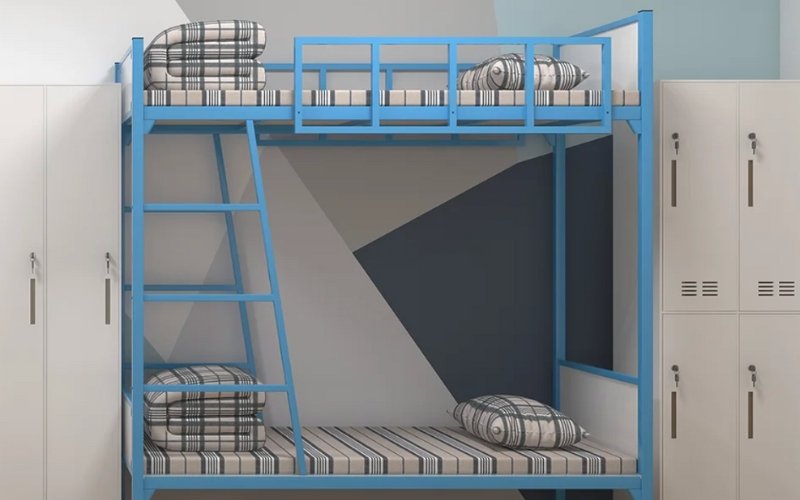
Bunk beds, filing cabinets, and office frames often rely on metal construction for safety and durability.
- Wood Furniture
Wood furniture brings warmth and professionalism. Solid wood and engineered wood suit executive offices, meeting rooms, and reception areas. Wood requires proper care but offers timeless appeal.
- Fabric Upholstered Furniture
Fabric furniture improves comfort and aesthetics. High-density foam supports the seating shape over time. Fabric choices affect durability and cleaning needs.
Office sofas and leisure chairs often combine fabric with wood or metal frames for balance.
How to Choose the Right Furniture for Your Needs
Choosing furniture should follow a clear and practical process.
When decisions are rushed or based only on appearance, the result often feels uncomfortable and inefficient.
A structured approach helps you select furniture that truly supports how a space is used every day.
Key Factors to Consider Before Buying Furniture
- Purpose of the Space: Start by defining how the space will be used. Offices need furniture that supports productivity and posture. Homes require comfort and ease of movement. Training and educational spaces demand durability and flexibility.
- Available Space and Layout: Measure the space accurately before selecting furniture. Proper measurements prevent overcrowding and allow clear movement paths. Well-sized furniture helps maintain balance and visual order.
- Number of Daily Users: Consider how many people will use the furniture regularly. High-use areas need stronger materials and stable construction. Shared spaces benefit from modular or adaptable designs.
- Comfort and Ergonomics: Comfort affects focus, health, and long-term satisfaction. Seating should support posture. Desks should suit working height and task requirements. Poor ergonomics often leads to discomfort and reduced productivity.
- Design and Visual Identity: Furniture should align with the space’s overall style and brand identity. Consistent design creates a professional and cohesive environment without visual clutter.
When furniture supports real needs, spaces feel balanced, comfortable, and functional rather than forced.
Furniture Selection Checklist
| Selection Factor | Why It Matters | Result When Done Right |
| Space usage | Ensures furniture fits actual activities | Better functionality |
| Room size | Prevents overcrowding | Smooth movement flow |
| User frequency | Determines durability needs | Longer product life |
| Comfort level | Supports health and focus | Improved daily use |
| Design consistency | Maintains visual harmony | Professional appearance |
Why Furniture Selection Impacts Long-Term Costs
Furniture should be viewed as a long-term investment rather than a short-term purchase.
Low-quality furniture often leads to frequent repairs, replacements, and hidden expenses. Thoughtful selection reduces these risks and improves overall value.
Cost Factors Influenced by Furniture Choices
- Durability and Material Quality: Well-built furniture lasts longer and withstands daily use. Strong materials reduce breakage and maintenance needs.
- Maintenance and Replacement Costs: Cheap furniture often fails early, requiring frequent replacements. Durable furniture lowers ongoing expenses over time.
- Health and Comfort Costs: Ergonomic seating reduces discomfort and posture-related complaints. This helps minimize health-related issues in work environments.
- Productivity and Efficiency: Efficient layouts and supportive furniture improve focus and workflow. Better productivity reduces operational losses caused by discomfort or poor design.
Choosing well-designed furniture saves money by reducing waste, improving performance, and extending product lifespan.
How Meet&Co Supports Smart Furniture Choices
Meet&Co Furniture focuses on practical design, durability, and customization. The product range serves offices, schools, training centers, and commercial environments with furniture designed for real use.
What Sets Meet&Co Furniture Apart
- Purpose-Driven Design: Each product is designed to meet specific usage needs rather than short-lived trends.
- Wide Product Range: The collection includes office desks, ergonomic chairs, sofas, storage units, training furniture, and bunk beds for institutional use.
- Durable Materials and Construction: Products are built to handle daily use in high-traffic environments while maintaining stability and comfort.
- Customization Options: Furniture can be tailored to match layout requirements, space constraints, and branding preferences.
- Long Term Value Focus: Designs prioritize longevity, comfort, and ease of maintenance to reduce overall ownership costs.
How Meet&Co Furniture Benefits You
| Benefit Area | How Meet&Co Delivers |
| Functionality | Furniture designed for real daily use |
| Durability | Strong materials for long term performance |
| Comfort | Ergonomic support across seating and desks |
| Flexibility | Custom solutions for different layouts |
| Cost efficiency | Reduced replacement and maintenance needs |
You gain furniture that works with your space rather than against it. When design, comfort, and durability align, spaces perform better and last longer.
Conclusion
Furniture defines how spaces function every day. When furniture choices align with purpose, people feel more comfortable and productive.
Offices run more smoothly. Schools last longer. Shared spaces feel welcoming and organized.
Understanding furniture types helps you avoid costly mistakes. It allows you to choose pieces that support real needs.
With the right approach and reliable manufacturers like Meet&Co, you create spaces that serve people properly and stand the test of time.
If you want furniture that balances function, comfort, and durability, start by choosing pieces designed for real use. The right furniture changes everything.


