
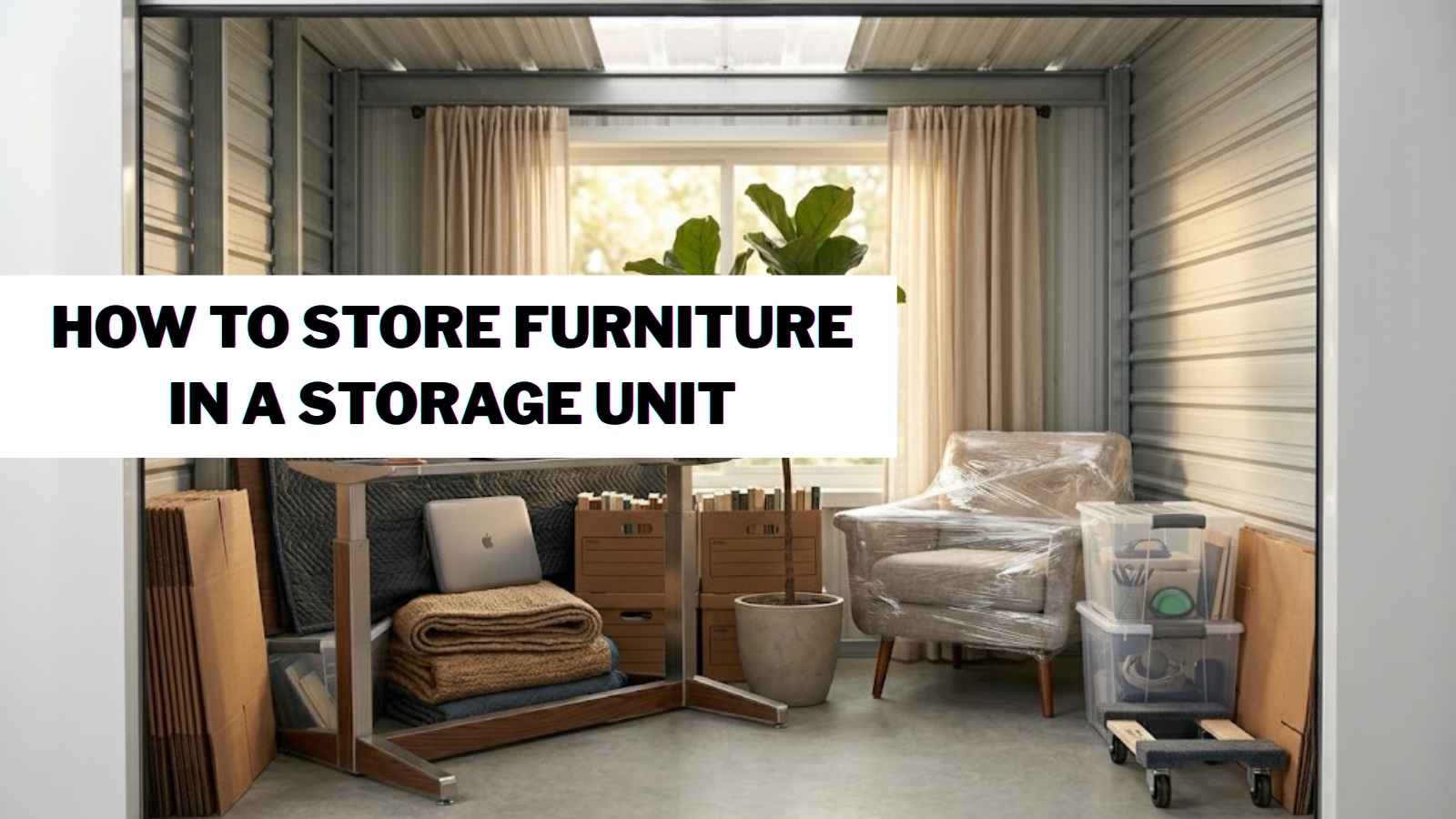
Moving, downsizing, or not having enough room at home. No matter what it may be, a storage unit is one of the most intelligent choices provided to meet your requirement for more storage space.
Simply pushing furniture through the door won’t do the job, though. If you don’t take the necessary steps, you can end up with a moulded or broken sofa, desk, or dining table.
So, how to store furniture in a storage unit? The quite short answer: clean it, protect it, and put it where you can. The longer answer is what this article is all about.
In this section, you’ll learn everything you need to know about how to Store Furniture in a Storage Unit, from choosing the right-sized storage unit to wrapping each piece properly.
These tips will help you keep a single chair or a full Meet&Co furniture setup in peak condition for a week, a year,or years and years.
Key Takeaways
- If you are bringing furniture into storage, make sure they are clean and completely dry – moisture is the single biggest furniture storage problem and the source of mold.
- Disassemble large parts to limit scratches and breakage, as well as to take up less space.
- Use moving blankets, cotton sheets, etc., as a covering; DO NOT wrap furniture in plastic.
- A climate-controlled unit can be more expensive but worth the money for wood, leather, or upholstered goods.
- When long-term storage is involved, make sure to have furniture clear of the ground and at a moderate distance between items.
Step 1: Choose the Right Storage Unit
You must have a unit that is appropriate before you move that one chair. All storage spaces are not equal.
- Size Matters More Than You Think
Do measure all the objects of furniture, including height, width, and depth, before reserving a unit. Be sure to measure the widest and tallest points to get accurate dimensions.
If you’re disassembling things, take measurements of each part separately, legs, table, bed frames, etc. This helps reduce the pain of realizing that after you’ve traveled to the facility, your sofa will not fit in.
Most storage facilities offer a size guide. Use it. When in doubt, go slightly bigger; you’ll thank yourself later.
- Consider Climate Control
Humidity and temperature are prevented by the use of climate-controlled storage.
No, there aren’t quite as many alternatives when longer furniture is stored in a less controlled area, but anyone residing in a location where temperatures vary should take into account climate control for long-term furniture storage.
Wood can crack. Leather can peel. Mildew can set in on fabric!
An extra investment in the cost of a temperature-regulated unit is worthwhile if your furniture is of high value or is to be stored for longer than a few months.
- Check Security and Accessibility
Inspect the unit’s condition and the facility’s overall security to make sure your belongings will go unharmed.
Search for hours where access is easy, lighting is good, and working locks are available. When it’s time to check on the unit, you don’t want to have to wait for somebody to get you in.
Step 2: Clean and Prep Everything Before Storage
This step is skipped more often than any other, and it causes the most problems.
- Why Cleaning Is Non-Negotiable
As time passes, the dust and dirt may give rise to mold in furniture or cause damage.
Any item that goes out of the house without being disinfected will result in a smell, a build-up of a rodent and insect population, and this can be very critical, as it is never recommended to store dirty furniture items.
Wash wood surfaces with a mild soap and water solution and rinse off the soap and water.
Vacuum and spot clean any stains on the item if it is upholstered. Before entering storage, give leather goods a light conditioning massage.
- Let Everything Dry Completely
This can’t be emphasized enough. Mold can grow in as little as a few days on any cushion, whether it’s slightly damp or not, in a closed environment.
Wait 24 hours or longer, putting each piece into the unit, for each piece to air dry.
- Polish and Protect Wood
Light furniture, polyurethane, or furniture waxing before storing is particularly useful for wooden furniture.
This forms a protective coating that prevents the wood from drying out for extended storage and protects the wood from scratching.
Step 3: Disassemble Large Pieces
Taking furniture apart is not just about saving space; it also protects the structural integrity of each item.
- What to Take Apart
Take out legs from tables, so remove bed heads from bed frames and cushions from sofas and chairs.
It is especially important to take the cushions off the sofa and roll them up flat, instead of into a ball, to store them.
- Keep Hardware Safe and Labeled
Organise all of the small parts, screws, and bolts in zip-lock bags.
Mark each bag and tape each that belongs to a particular piece of furniture, “coffee table legs,” “bed frame bolts. This will make it easy and stress-free to put them back together.
Step 4: Use the Right Packing Materials
What you wrap your furniture in matters just as much as how you wrap it.
- Breathable Covers Only
Avoid the use of plastic wrap on furniture, such as couches or chairs, because moisture will get trapped, causing damage to fabric and wood. Always be sure to use a breathable blanket or sheet.
Cotton drop cloths, moving blankets,s and fabric furniture covers are the best choices. They shield against dust and little scratches,s and they also enable airflow, hence no trapped moisture to create mold.
- Wrap Glass With Care
To prevent damage from impact or scratches, always use cardboard, bubble wrap, or foam padding over glass surfaces.
If the glass items have been brought into the storage unit, try to put them out of the way to prevent other objects from leaning or falling on them.
When wrapping tape on mirrors, apply a large “X” of tape over the mirror first, followed by the wrapping. This will help to keep the mirror from breaking on bumps and shifts.
- Use Mattress Bags
The most difficult to manage to store correctly can be a mattress. A breathable mattress cover prevents dust and insects from getting in while not retaining moisture.
Avoid folding or bending the mattress; leave it flat or standing up against the wall.
Step 5: Organize Your Storage Unit Strategically
The arrangement of items in the unit is as significant as the preparation of the items.
- Heaviest Items Go to the Back
Make sure to store larger items at the back and bottom of the unit. Do not stack heavy items on top of soft furniture, and leave a walkway to maneuver around when you go to visit your storage unit.
Upright on their side with end-to-end (but stable and protected) suits fine for floor space on sofas and armchairs.
The drawers can be opened slightly to allow air circulation, and dressers can be placed in the storage area as shelving.
- Raise Furniture Off the Floor
It’s dangerous to put things on concrete. In a dry unit, moisture from the floor or a slight leak can cause damage. Raised at least a few inches, using wooden pallets, plastic sheets,s or foam boards.
- Leave Space Between Pieces
Allow ample room for ventilation. Elevate furniture and clear the room between to minimize pressure damage.
Packing them all in together makes for scratches and dents, and it is difficult to get any of them out without moving about half the unit.
Step 6: Special Tips for Different Types of Furniture
- Wooden Furniture
Wood can be affected by moisture and fluctuations in temperature. Wash, buff, and enclose it in a natural fabric.
If it is not climate-controlled, keep silica gel packs in the vicinity for the absorption of excess moisture.
- Upholstered Furniture
Sofas, chairs, and fabric-covered items need to breathe. Remove cushions, cover pieces in cotton or linen, and never stack heavy objects on top of upholstered surfaces.
- Leather Furniture
Leather needs conditioning before storage. Without it, leather can dry out and crack, especially in cooler or drier conditions.
Use a breathable cover, never plastic, and keep leather away from direct contact with the floor.
- Metal and Glass Furniture
Wipe down metal pieces with a dry cloth to remove any moisture or fingerprints.
Lightly coat exposed metal with a thin layer of machine oil to prevent rust. Wrap glass separately and clearly mark those pieces as fragile.
Step 7: Check on Your Unit Regularly
Long-term storage is not a “drop it and forget it” situation.
Check on your pieces regularly to identify and tackle any issues, like moisture buildup or damage, before they get worse.
Examine your furniture for signs of mold, mildew, pests, and any damage, especially on fabric and wood surfaces.
Double-check covers to make sure they’re secure. If you notice moisture, add silica packets or moisture-absorbing products to keep things dry.
A quick monthly visit is enough for most people. Make notes of what is stored where, and keep an inventory list so nothing gets forgotten.
Meet&Co Featured Products Worth Storing
Planning an office move or renovation? Here are 5 Meet&Co pieces that store well and are worth protecting carefully:
| Product | Type | Storage Tip | Link |
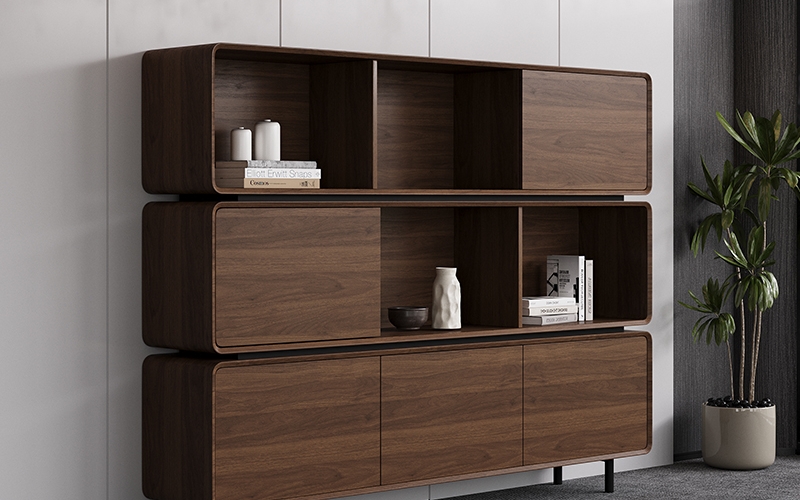
| Wooden Filing Storage Cabinet | Filing Cabinet | Store upright, tape drawers shut | View Product |
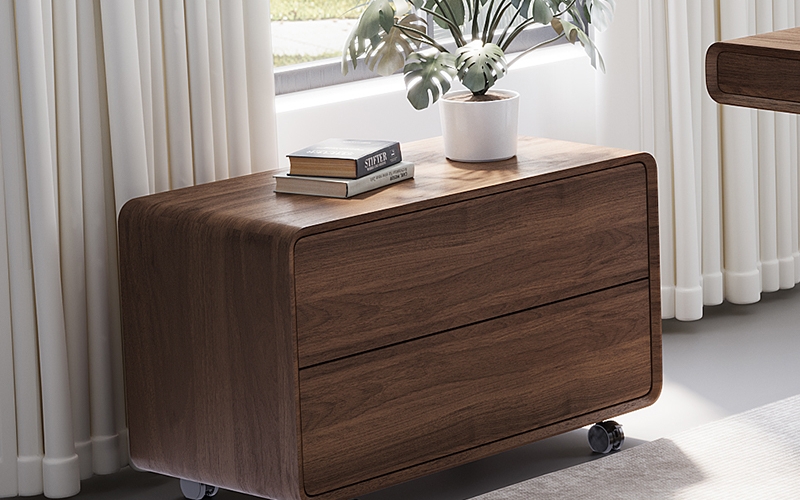
| SENDI E Mobile Cabinet | Mobile Storage | Lightweight — easy to stack safely | View Product |
| SENDI E Standing Desk | Height-Adjustable Desk | Lower legs fully, disassemble before storing | View Product |
| Modular Sectional Sofa | Office Sofa | Remove cushions, cover with breathable fabric | View Product |
| Manager Executive Office Desk | Executive Desk | Wrap the surface carefully, store in a climate-controlled unit | View Product |
Conclusion
Knowing how to store furniture in a storage unit properly is what stands between furniture that lasts and furniture that ends up damaged beyond repair.
The process is straightforward: find the unit that is appropriate, clean it thoroughly, carefully remove parts where possible, wrap with breathable materials, make careful arrangements, and periodically check in to see how things are going.
No matter if you’re storing an armchair or all of your home furniture, these techniques can make a huge difference.
And when you are ready to fill your space again with quality pieces built to last, Meet&Co Office Furniture offers a wide range of ergonomic, well-crafted furniture designed for both comfort and durability.
Also see:
- Types Of Furniture And How To Choose The Right Ones For Your Space
- Good Furniture Brands To Trust In 2026: Quality, Design, And Value
FAQs
1. What is the best way to store a sofa in a storage unit?
The first step in storing a sofa is to remove the cushions before storing. Use a free-moving blanket or cotton cover to cover the sofa, not plastic materials that retain moisture.
You can stand the sofa on its end to save space, as long as it is secured and stable. Lift on a pallet or foam boards. Keep heavy items away from the sofa’s frame and upholstery.
2. Do I need a climate-controlled storage unit for furniture?
Yes, primarily for any wood, leather, or upholstery items. Warping, cracking, and mould are most commonly caused by fluctuations in temperature and humidity.
A climate-controlled unit is a great long-term investment to save your furniture from hot summer and cold winter weather, or if you have a long-term storage solution that will involve your furniture for over 3 months.
3. How do I protect wooden furniture in storage?
Use a mild cleaner and thoroughly dry. Lubricate the seal with a light coat of furniture polish or wax.
Wrap in fabric (not plastic) and, if available, keep in a climate control unit. Keep silica gel packs next to wooden items to absorb excess moisture, and lift furniture off the concrete floor.
4. Can I stack furniture in a storage unit?
Some items can be stacked, but take care. Do not stack heavy materials on top of sofa upholstery or chairs, as it will reduce the amount of sofa that is in touch with the floor over time, which can lead to a misaligned shape.
Bunkable but sturdy objects, such as dressers or bookshelves,s can be stacked. Place the larger and heaviest items at the back and bottom, om and then provide a well-defined pathway to access the unit.
5. How often should I check on stored furniture?
One check halfway is generally adequate for short-term storage (3 months or less). Check regularly every 4-6 weeks for long-term storage.
Check for any dampness, moulding, pests, or moving around. Ensure that all covers are intact,t and there is no fall.
Identifying a minor problem sooner rather than later will lessen the time for any major damage and replacements.


