

Most of the time, the manufacturer’s priority is making recliners look good in the showroom, not whether they truly support your body during a three-hour sit on a Tuesday night.
You sink in, and your lower back hurts, and when you get up, you feel your spine getting stiff.
If this happens to you or your family members, we are all in the same boat. The right solution is the best ergonomic recliner.
An ergonomic recliner is not just about a fancy chair; it is about furniture engineered around the structure and function of your body.
It focuses on the natural curve of the spine, the angle of our hips, and factors such as weight distribution across the lower back and other body parts.
When all the structuring is done perfectly, the product makes you feel as if you are sitting in a place where your whole body fits into a support system.
This guide tells you everything, from what to look for when buying to the features that genuinely matter.
Key Takeaways
- Lumbar support is non-negotiable. Adjustable lumbar support is the single most impactful feature for back health in any recliner.
- Recline angle matters more than padding. The right angle reduces spinal pressure significantly, often more than the foam’s thickness alone.
- For long-term usage, material dictates comfort. Breathable fabrics and memory foam are more efficient than standard polyester in this regard.
- One size will not fit everybody. Different aspects like height, weight, and specific back issues influence your recliner choice.
What is an ergonomic recliner?
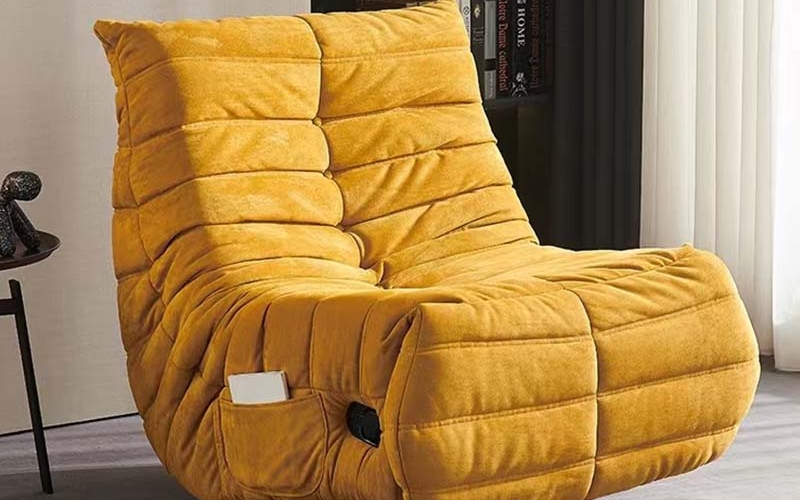
An ergonomic recliner replicates the natural S-curve of the human spine, evenly distributes body weight, and minimizes muscle tension during long periods of use.
The main distinctions between a standard recliner and a true ergonomic recliner lie in their structural features. A standard recliner reclines.
An ergonomic one reclines with your body, so that your lumbar spine is supported at any angle. The headrest, armrests, and footrest must complement one another and not just be added-on parts.
According to the Cleveland Clinic, good sitting posture keeps the ears, shoulders, and hips aligned.
A well-designed ergonomic recliner doesn’t conflict with that alignment; it supports it, especially when you’re watching the ball at 130 degrees while reclined.
Features to look for in an ergonomic recliner
If you want to choose the right ergonomic recliner chair for back pain, you will need to look out for the following features:
Adjustable Lumbar Support
This is the major one. The lower curve of your back, known as your lumbar area, becomes unsupported as soon as you sit back in most chairs.
The ergonomic recliner for back pain provides lumbar support that moves with the recline or can be adjusted manually.
High-end options come with mouldable inflatable pads for the lumbar area, allowing you to curve the pad to your individual requirements.
If the adjustable recline feature does not allow you to adjust lumbar support without changing the recline angle, then be wary of this chair.
Recline Range/ Locking Positions
Most recliners have two settings: straight and fully reclined. That’s not enough. Multiple locking positions are at the core of any recliner; positions should include
- The Upright position at 90 degrees
- Lay flat position, which in between 110 and 115 degrees
- Fully reclined position at around 130 and 150 degrees
Backed by research published in Spine Health journals, the optimal angle for minimizing the stress on the discs in the spine is approximately 135 degrees.
Adjustable Headrest
Neck strain from recliners is incredibly common and almost entirely preventable.
A lumbar support recliner chair worth its price will include a headrest that moves up and down, not just tilts. If you’re tall, this matters even more.
Armrest Adjustability
Most people ignore armrests until they realize their shoulders have been hiking up for an hour. Armrests should land just below your relaxed shoulder height.
Fixed armrests on a chair built for ‘average’ bodies will work for maybe 40% of people. Adjustable ones work for everyone.
Material and Cushioning
Memory foam paired with breathable fabric is the gold standard for extended sitting. Leather looks great, but traps heat.
Standard polyester foam compresses over time and loses its supportive properties faster than you’d expect.
If you’re investing in a quality, comfortable recliner for posture, the cushion material is worth reading the spec sheet for.
Power vs. Manual Recline
With power recliners, you have the luxury to set angles precisely. Manual recliners require you to push back with your legs.
This can be an issue for those who are not mobile or have joint problems. For everyday users without specific accessibility needs, manual recliners will suffice.
For anyone with hip, knee, or lower back problems, power is worth the extra cost.
Quick Comparison: Basic vs. Ergonomic Recliners
Use this table to evaluate what you’re actually getting for your money:
| Feature | Basic Recliner | Ergonomic Recliner | Premium Ergonomic |
| Lumbar Support | None/Fixed | Adjustable | Dynamic + Adjustable |
| Recline Angle | 2-3 positions | Multi-position | Infinite/Motorized |
| Headrest | Fixed | Adjustable | Fully Adjustable |
| Armrests | Fixed | Adjustable | 4D Adjustable |
| Footrest | Manual | Manual/Power | Motorized |
| Material | Fabric/Basic | Foam + Fabric | Memory Foam + Leather |
| Best For | Casual Use | Daily Use | Medical/Long Hours |
Types of ergonomic recliners
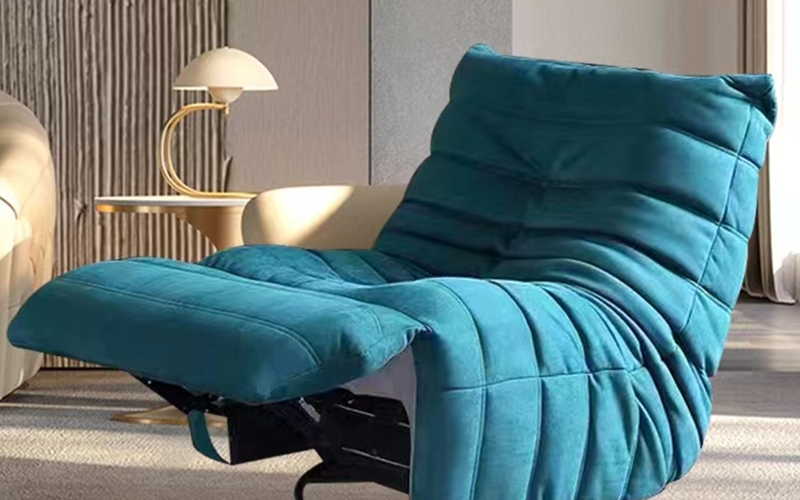
Take a look at the types of ergonomic recliners and which one is best suited to you!
Zero Gravity Recliners
Zero-gravity recliners raise your legs above heart level while you’re sitting, which allows your entire body weight to be distributed over the chair rather than the lumbar spine, as it is in a standard recliner.
It can truly make a difference for those who suffer from chronic low back pain or poor blood circulation. The downside is they are usually bigger and more expensive.
Power Lift Recliners
Power lift recline chairs are usually made for people who can’t move with ease and are designed to tilt the whole chair up and forward, which makes it much easier to get up.
This type is one to consider when purchasing for an older family member or someone recovering from surgery.
At Meet & Co, you’ll find office and seating solutions that are designed in reality with real ergonomic principles.
Massage Recliners
Massages are available on recliners ranging from ‘barely noticeable vibration’ to a true therapeutic massage pattern.
If back pain is due to muscle tension (not structural), a recliner that offers lumbar massage can be a huge help. Before purchasing, look for a massage intensity level or multiple massage zones.
Standard Ergonomic Recliners
The majority of people only require a standard recliner with good lumbar support, a reclining angle that allows for a wide range of recline, and quality materials.
They are at the right price/performance ratio and are the most widely available:
Selecting the proper ergonomic recliner for your needs
It’s dangerous to purchase a reclining chair without ever sitting in it. If possible, go to a showroom. At least these are the features you should seek when shopping online:
Weight and height range: Each recliner will have a weight capacity and a recommended height range. If you’re 6’2″ and you’re sitting in a chair designed for a 5’6″ person, the headrest will hit your neck, not your head.
Your main concerns: lower back pain, neck strain, sciatica, and fatigue – which are all helped by different features of the chair. Low back problems focus on the adjustability of the low back. Headrest ROM becomes the primary focus of neck issues.
Your sitting time: 30 minutes will not use up nearly as much chair as 4 hours. The longer you sit, the more seriously you ought to take the quality of the cushions and the degree of their ventilation.
The size of your room: Power recliners and zero gravity chairs require a considerable amount of space behind them to recline properly. Don’t get the love of a chair that may not fit your room, but measure first.
The American Chiropractic Association suggests that the ideal seating position provides support for the natural curves of the back and makes small adjustments throughout the day.
The advice is the same for your living room recliner as it is for your office chair!
Taking care of your ergonomic recliner
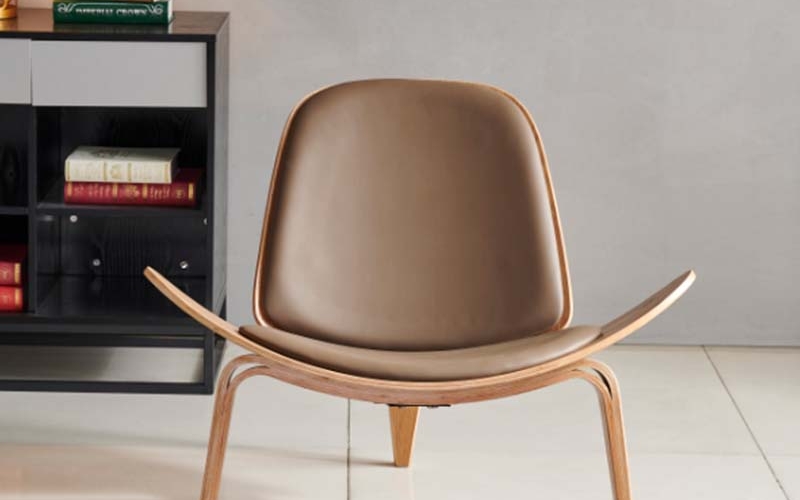
A good recliner, with the proper maintenance, will last 10 to 15 years. Here are some maintenance hacks to make sure that your investment stays safe for the long term:
- Clean your recliner fabric once a month with a mild detergent and a soft-bristled brush. For leather crack protection, use special leather conditioners.
- Use silicone lubricant to lubricate the reclining mechanism every year. The mechanism will wear out sooner when metal-on-metal friction occurs than when it does not.
- Do not sit on armrests and footrests when extended. The loads are not intended for loading from unexpected directions.
- In a recliner, do not just sit upright for hours; periodically change your sitting position by standing up.
- Recliners can wobble if they have loose hardware issues. It is recommended that you check the legs and base screws at least twice a year.
Conclusion
A good recliner isn’t a luxury. After a certain age, or after enough hours in front of a screen, it’s genuinely a health decision.
The difference between a chair that hurts your back and one that helps it comes down to a handful of features: adjustable lumbar support, a real recline range, a headrest that actually fits you, and materials that hold up over time.
There’s no single best ergonomic recliner that fits everyone. The right choice is the one that fits your body, your comfort needs, and your space.
Focus on your pain points, check dimensions carefully, and don’t get distracted by a low price that sacrifices support.
When you finally settle in at night after a long day, you’ll notice the difference, your body feels supported, relaxed, and far less stiff than it used to.
Explore a range of ergonomic seating options at Meet & Co Office Furniture, built for workplaces and home environments that take comfort seriously.
Also see:
- 7 Best Bean Bag Chairs In 2025: Comfort Meets Style
- Best Ergonomic Chair For Back Pain: Top Picks For 2025
Frequently Asked Questions
What is the best ergonomic recliner for back pain?
The best ergonomic recliner for back pain is the one with the features listed below.
- Adjustability in lumbar support
- Multiple recline positions
- Personalized Headrest fitting your height appropriately.
In case of chronic lower back pain, going for a zero gravity recliner is the ideal choice.
How does a lumbar support recliner chair help with posture?
A lumbar support recliner chair focuses on your spine structure. It helps in maintaining the inward curve of your lower spine even when it is reclined.
Without lumbar support, there is no curve. Therefore, the adjacent muscles that provide support to the spine will have to elevate their work capacity to compensate.
Should you pay more for a recliner with a built-in ergonomic adjustment feature?
Mostly, this investment covers the cost. An adjustable ergonomic recliner works for different people, as it can be adjusted to suit every body, from different sitting styles to different levels of fatigue.
Can a recliner help with sciatica?
A comfortable recliner for posture can actually help in the reduction of your sciatic pressure.
This lets you recline to an angle where there is less load on your lumbar spine. But talking to your health care provider regarding your state is the utmost.
How long should I sit in a recliner per day?
Recliners are not meant to sit in for long. Mostly, if looking at physical therapists, they recommend breaking up seated periods with 5 to 10 minutes of movement after every alternating hour.
What is the difference between a zero gravity recliner and a regular one?
A zero gravity recliner is the one where your legs go above your heart level. This is done to reduce spinal pressure and improve circulation. A regular recliner is simple; it just tilts back.


